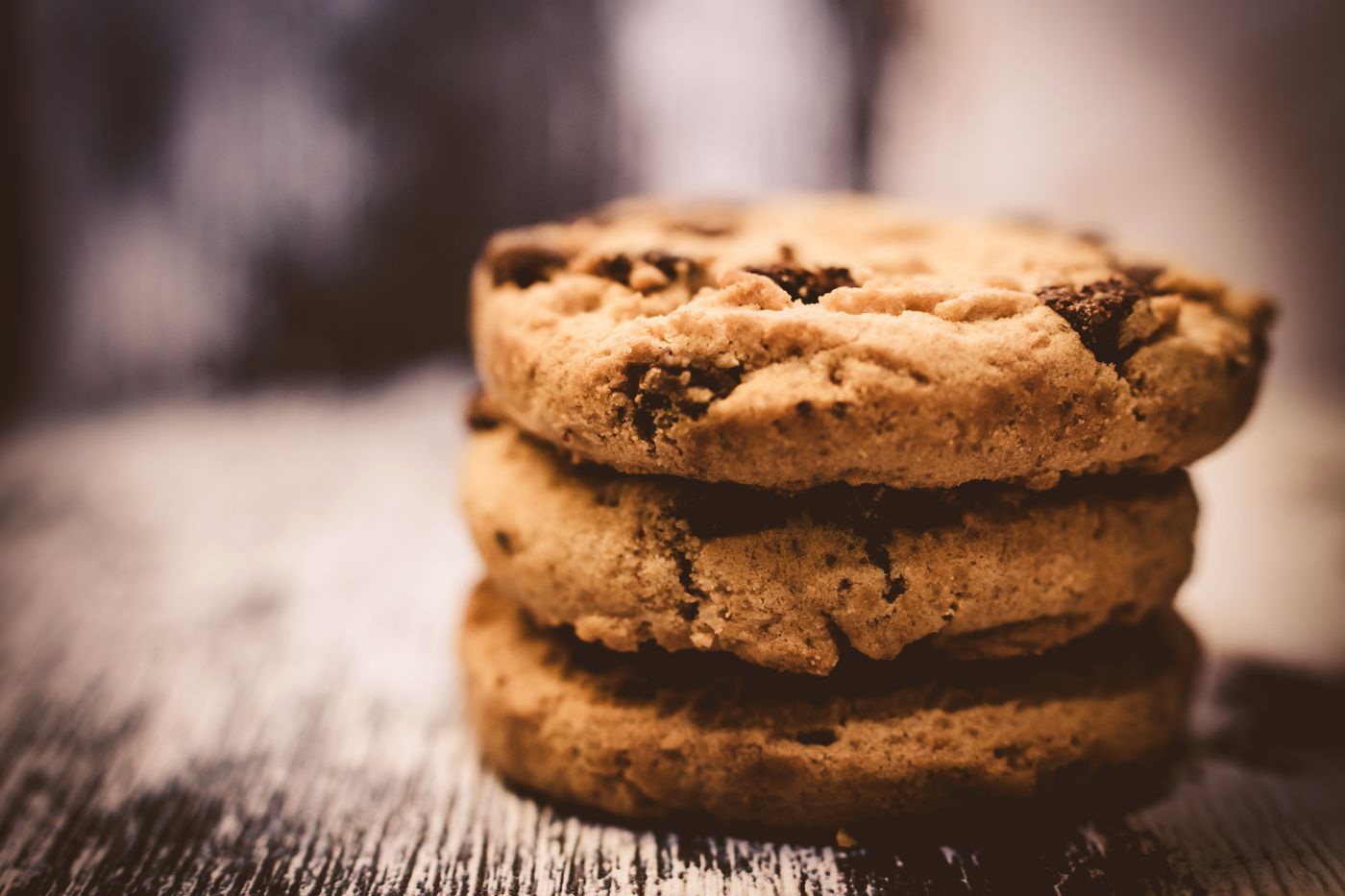
On my desk sits a glass jar that once held ginger biscuits and now holds nothing edible — only paper slips cut to the size of thumbprints, each inked with a phrase too small for an essay but too precise to forget. I started the jar in October after noticing how many moments arrived without names. Not dramatic moments. The ordinary kind: lift door held one beat longer, rain starting exactly as you step under cover, the way a stranger returns a dropped ticket without speech.
Labelling is a writer's tic. Give language to a thing and it becomes portable; you can carry it to the page later. The jar is my compromise with impatience — when I cannot sit down to write a full chapter, I at least fold a label and drop it in. The glass clicks softly. That sound has become a meridian marker in my evenings, the line between dinner cleanup and the hour I try to mean something on paper.
Name the small thing correctly and it stops slipping away.— label pulled at random, 3 October
Some labels are single words: defer, threshold, echo. Others are short clauses: "fan too loud for confession," "mrt door chime like a punctuation mark," " uncle's second pour without asking." I do not edit them when they go in. Editing belongs to the essay; the jar is for raw capture, edges included. Once a week I empty it onto the table and sort — which slips want expansion, which were only mood weather, which repeat because I have not yet learned their lesson.
October brought the Chin Swee draft back to my desk — sirens, uncertainty, the block listening together. I pulled three labels that had been waiting without knowing they belonged together: "window light at five," "siren braid," "cup left in rack." They were not facts; they were textures. The jar had preserved what memory might have blurred into generic alarm. Naming kept the specificity honest.
Friends who visit ask if they may draw a label. I say yes. Their handwriting changes the jar's tone — a colleague's architectural joke, a niece's block letters spelling cat because she thinks all containers require one. The jar becomes communal briefly, then returns to my shelf, mostly mine again. Shared language is like that: lent, returned, altered.
I photograph the jar sometimes for no audience — proof of accumulation, like rings on a stump. The labels curl as they age; ink fades where fingers rubbed them pulling out. Eventually they go into the recycling bin and new slips replace them. The jar is not archive so much as staging area — stories in queue, patient, not entitled to publication.
If StoryVibe has a method, it is this: watch closely, name sparingly, expand only when the fold holds. The site is the expanded version; the jar is the index. Readers see finished chapters; I live among the labels that suggested them. October ended with the jar half full again — good fullness, not hoarding. Enough material to walk into November without fearing blank pages.
Tonight I added one more slip before sleep: "meridian ink drying slow." Tomorrow it may become nothing. Tonight it is enough to hear the glass settle and know the small stories are accounted for, edges labelled, waiting their turn to be unfolded for you.