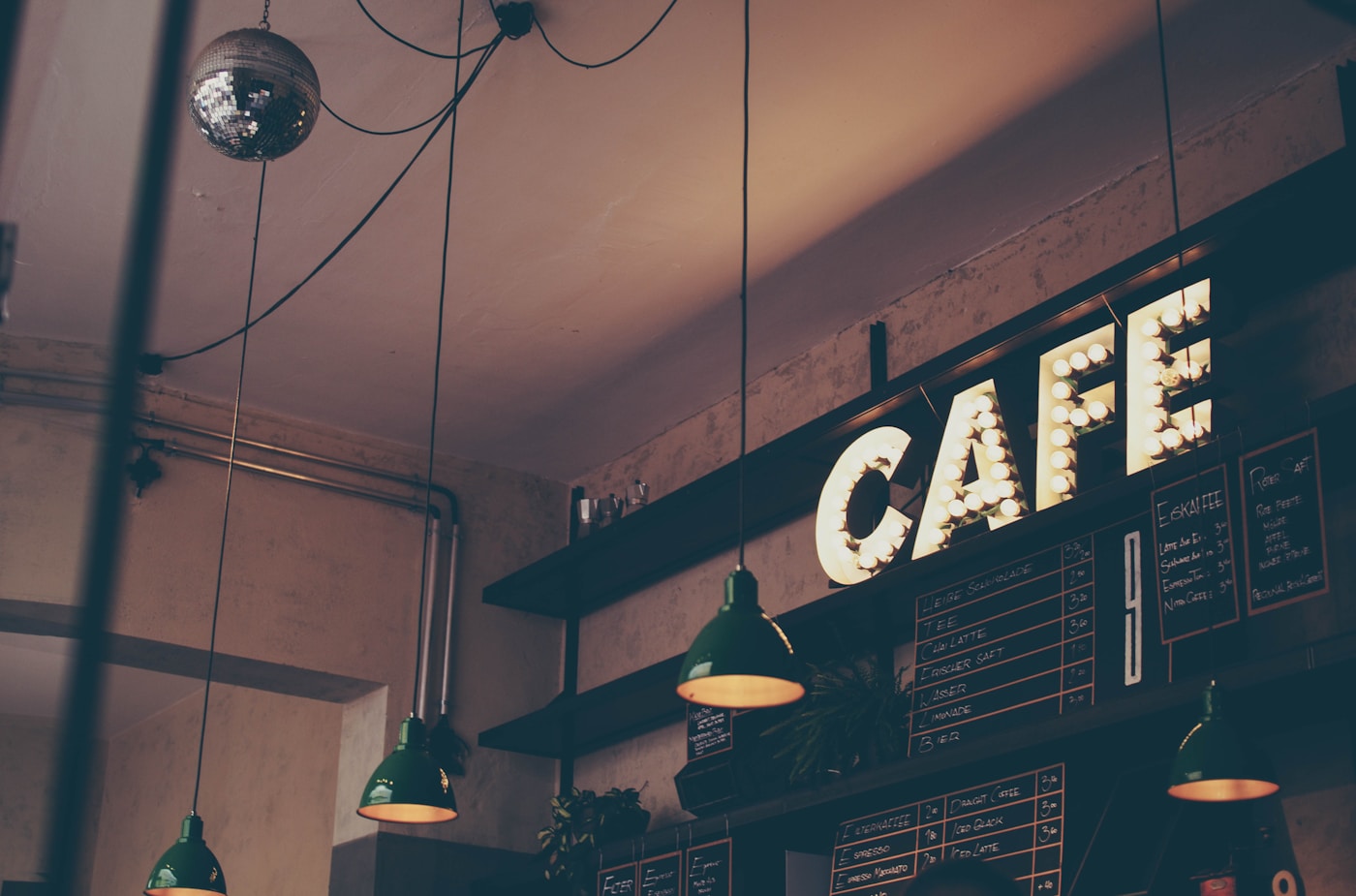
The uncle behind the counter knows my order before I reach the front of the queue, which is both a comfort and a small surrender of surprise. I come to this Balestier coffee shop when my sentences tangle — when the meridian of a writing week feels blurred and I need a place where time is measured in pours instead of notifications. June mornings here are loud in the gentle way only kopitiams manage: clatter of spoons, fans turning lazy circles, someone arguing softly with the football replay on a phone propped against a sauce bottle.
I take the table near the window where the street arrives in slices — delivery riders cutting corners, an auntie steering a trolley over uneven tile, the bus stop holding its small parliament of regulars. The table surface is laminate warmed by decades of elbows. I like that. Surfaces with memory do not demand performance from you.
The first pour is for waking; the second is for staying.— overheard at the next table
Teh tarik is theatre and arithmetic. Watch the uncle pull: arm extended, wrist confident, the stream lengthening between mugs until foam rises like a brief weather system. He does not rush the second pull. I have learned to read that pause as instruction — some things need distance before they blend. I think about drafts the same way. The first pass gets the heat onto the page; the second pass is where tone settles and excess words fall away.
Today I am not editing. I am listening. At the counter, two men compare bus routes with the seriousness of cartographers. A child practices reading the menu aloud while her father nods at each word as if signing a contract. The coffee shop is a room where private plots overlap without collision — everyone's chapter running parallel, touching only at the shared smell of toast and kaya.
I order kaya toast though I told myself coffee alone. The knife squeaks through bread; the butter shines. Eating slowly is a discipline I forget until a place like this reminds me. Balestier has changed façades over the years — new clinics, renovated shophouses — but this shop keeps its rhythm. Rhythm is harder to renovate away than paint.
When the cup empties, I fold the paper placemat along its printed crease without thinking. Old habit from school days: if you cannot write yet, at least make a line straight. The uncle passes with the pot — not a question, a offer — and I shake my head with thanks. Two pulls are enough. More would blur the edge I came here to find.
Outside, humidity waits. I stand on the five-foot-way and let the street re-enter me — exhaust, frangipani from someone's planter, the metallic taste of impending rain. The notebook in my bag has three new lines, none of them brilliant, all of them true. That is the bargain this coffee shop offers: not inspiration on demand, but permission to stay until the sentence arrives honest.
I walk toward the MRT with sticky fingers and a calm I did not carry in. Balestier will be here next week with the same fan noise and the same uncle remembering my order. I find relief in that repetition. Not every story needs a twist. Some need only a second pour, held long enough to cool to the exact temperature your hands can keep.